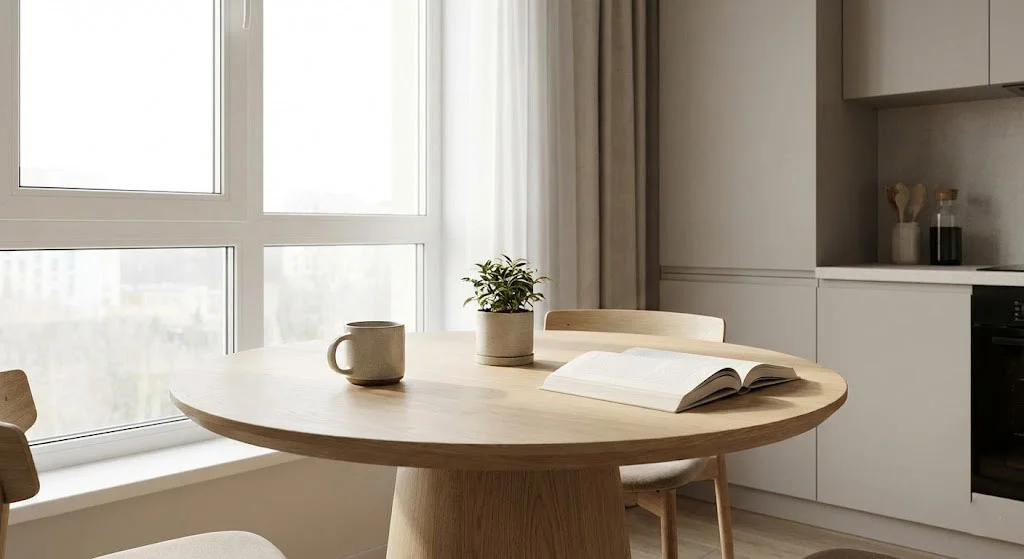
In the urban hubs of 2026—from the micro-apartments of New York City to the sleek studios of San Francisco—square footage has become a premium asset. As the “hybrid” lifestyle becomes the permanent standard, the modern city dweller faces a significant challenge: how to fit a professional career, a social life, and a personal sanctuary into 500 square feet.
The answer is not to buy more furniture, but to increase your “Spatial IQ.” This means moving away from single-task items and investing in high-end, multi-purpose wood furniture. In 2026, urban luxury is no longer defined by how much space you have, but by how intelligently you use it.
The Single-Task Trap: Why Your Furniture is Shrinking Your Space
For decades, the standard approach to furnishing an apartment was “one room, one function.” You bought a dining table for meals and a desk for work. In a small urban footprint, this creates the “Clutter Trap.” Each piece of single-use furniture consumes valuable floor space and creates “visual noise”—a chaotic environment that makes a room feel smaller and more stressful than it actually is.
By 2026, the trend of “Fast Furniture” has largely been rejected by the urban elite. Cheap, particle-board items lack the structural integrity to be moved, shifted, or used for multiple purposes. They are static and heavy. True urban efficiency requires Multi-Purpose Wood Furniture—pieces designed from the ground up to pivot between roles with elegance and ease.
The Hero Piece: The 3-in-1 Multi-Purpose Wood Table
If the apartment is the body, the multi-purpose table is the brain. In a small space, a single, high-quality solid wood table must perform three distinct roles without looking like a compromise:
-
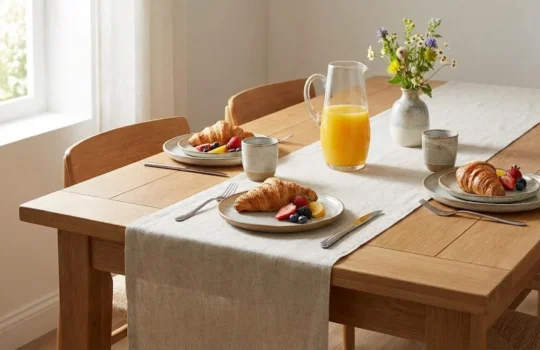
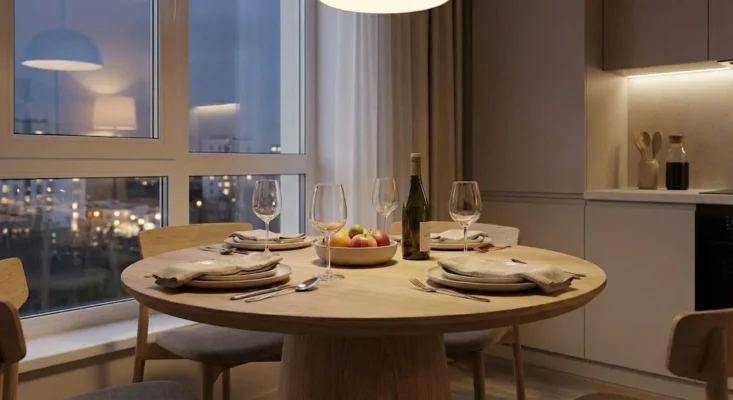
The Morning Nook: At 8:00 AM, it is a clean, bright surface for coffee and reflection. Its natural wood grain provides a biophilic start to the day, helping to lower cortisol levels before the workday begins.
-
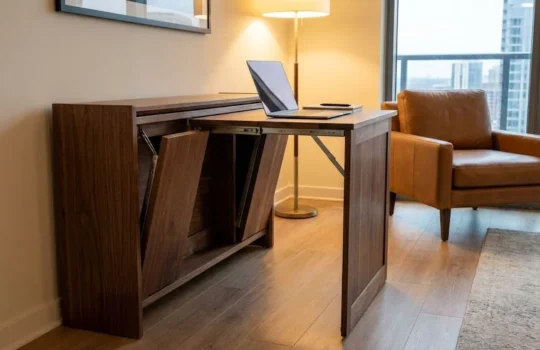
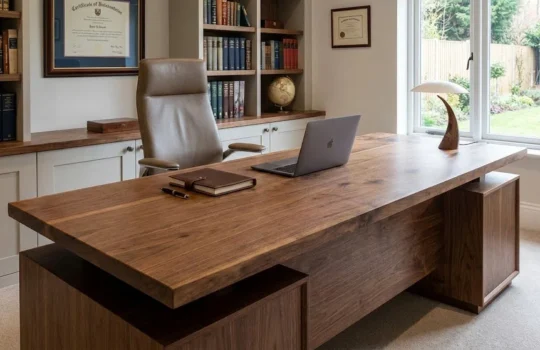
The Executive Command Center: By 9:30 AM, it transforms into a high-performance desk. Thanks to Invisible Tech Integration—such as Qi2 charging coils hidden under the timber and magnetic cable management—the surface remains clear of professional clutter.
-
The Social Hub: By 7:00 PM, all traces of work are tucked away into hidden drawers. With a quick change of lighting and decor, the same table becomes a sophisticated dinner setting for four to six guests.
By utilizing one “Hero Piece” for these three tasks, you reclaim nearly 30% of your usable floor area, creating a sense of openness that is vital for mental well-being in the city.
Designing for “Visual Air”: The Engineering of Small Spaces
Urban efficiency isn’t just about what a piece of furniture does; it’s about how it looks in a confined space. In 2026, designers are using specific engineering techniques to make solid wood furniture feel “lighter”:
Tapered Profiles and Mid-Century Influence
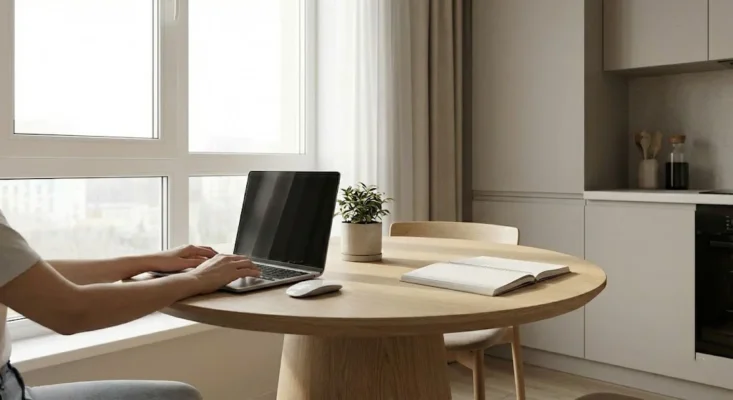
Heavy, blocky furniture “eats” light and stops the eye. Multi-purpose pieces for small apartments often feature Tapered Legs and thin, chamfered edge profiles. This creates “visual air” underneath and around the furniture, allowing the floor to be seen and making the room feel significantly more expansive.
The “Floating” Aesthetic
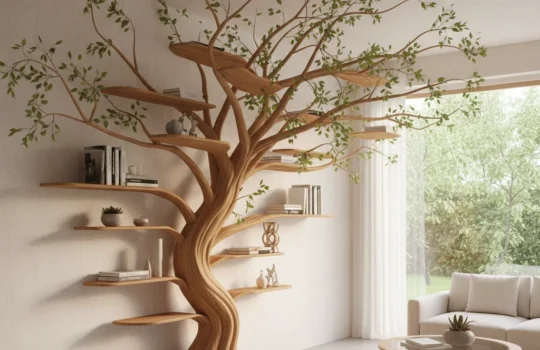
Wall-mounted wood desks or “floating” shelves made of solid timber provide storage and workspace without occupying any footprint at all. This keeps the floor clear, which is the #1 psychological trick for making a small apartment feel like a luxury suite.
Material Matters: Choosing Wood Species for Urban Light
In a small apartment, the color and texture of your wood furniture act as the “second skin” of the room. While dark Walnut is iconic, 2026 urban trends favor woods that maximize light:
-
White Oak: The gold standard for urban efficiency. Its light, neutral tones reflect both natural and artificial light, helping to brighten dim studios. Its incredible hardness means it can withstand the heavy “switch-over” use of a multi-purpose table.
-
Hard Maple: Boasting a creamy, consistent grain, Maple is perfect for minimalist spaces. It is highly durable and brings a sense of “calm” to high-traffic areas.
-
Matte Finishes: High-gloss finishes create harsh glares in small rooms. In 2026, the preference is for Matte Ceramic Oils. These protect the wood while maintaining its natural, velvety texture, which absorbs visual noise rather than reflecting it.
The ROI of Space: A Smart Financial Move
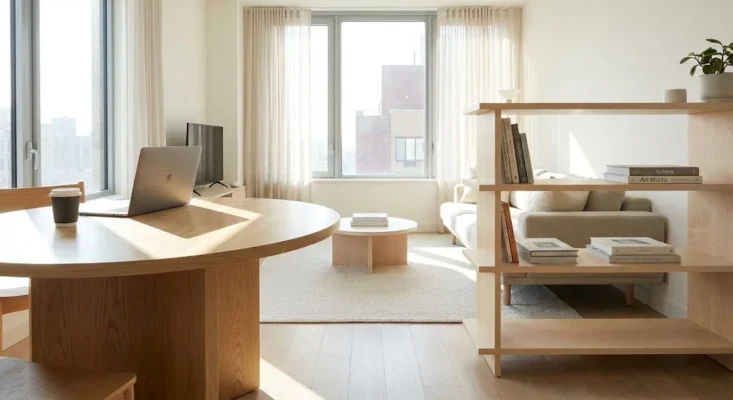
Investing in a single $3,500 multi-purpose solid wood table may seem expensive compared to buying separate, cheaper items. However, urbanites in 2026 are looking at the ROI of Square Footage.
In cities like New York, an extra 100 square feet of space can add $1,000 or more to your monthly rent. By choosing smart, multi-functional furniture that allows you to live comfortably in a smaller footprint, the furniture pays for itself in rent savings within a single year. Furthermore, unlike mass-produced items, a solid wood piece is a Portable Asset. It retains its value and can be moved to your next, larger home, evolving with you.
Luxury Without Limits
Urban efficiency is the art of refusing to let a small space dictate a small life. By choosing multi-purpose wood furniture, you are opting for a lifestyle of Minimalist Abundance. You are choosing a home that is organized, professional, and welcoming—all within the same four walls. In 2026, your apartment isn’t too small; it’s simply waiting for furniture that is as smart as you are.